
Our Process
Crafting the Past with Care
From ancient manuscript to handcrafted replica, every piece moves through a careful process rooted in research, material, and craftsmanship.
Every replica begins with careful historical research before any physical work takes place. Sacred Text Replicas aims to create educational reproductions that faithfully reflect the appearance and character of surviving biblical manuscripts — grounded in scholarship, not guesswork.
Research & Manuscript Selection
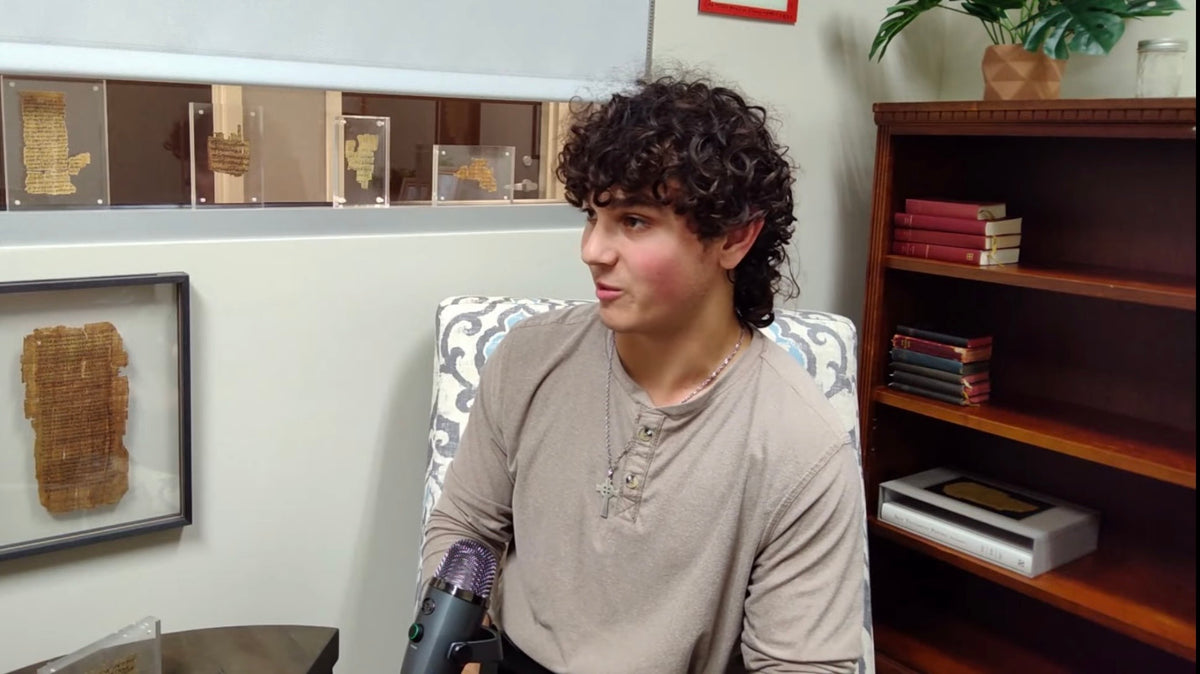
Every replica begins long before any physical work takes place. We select a manuscript worth reproducing and begin gathering the historical and scholarly resources needed to understand it.
Learn More
Each project begins by studying the manuscript itself. Reference photographs, scholarly catalogues, publication data, and available manuscript information are carefully examined to understand the document's physical characteristics, layout, script, and historical context before any reproduction work begins.
Historical Study
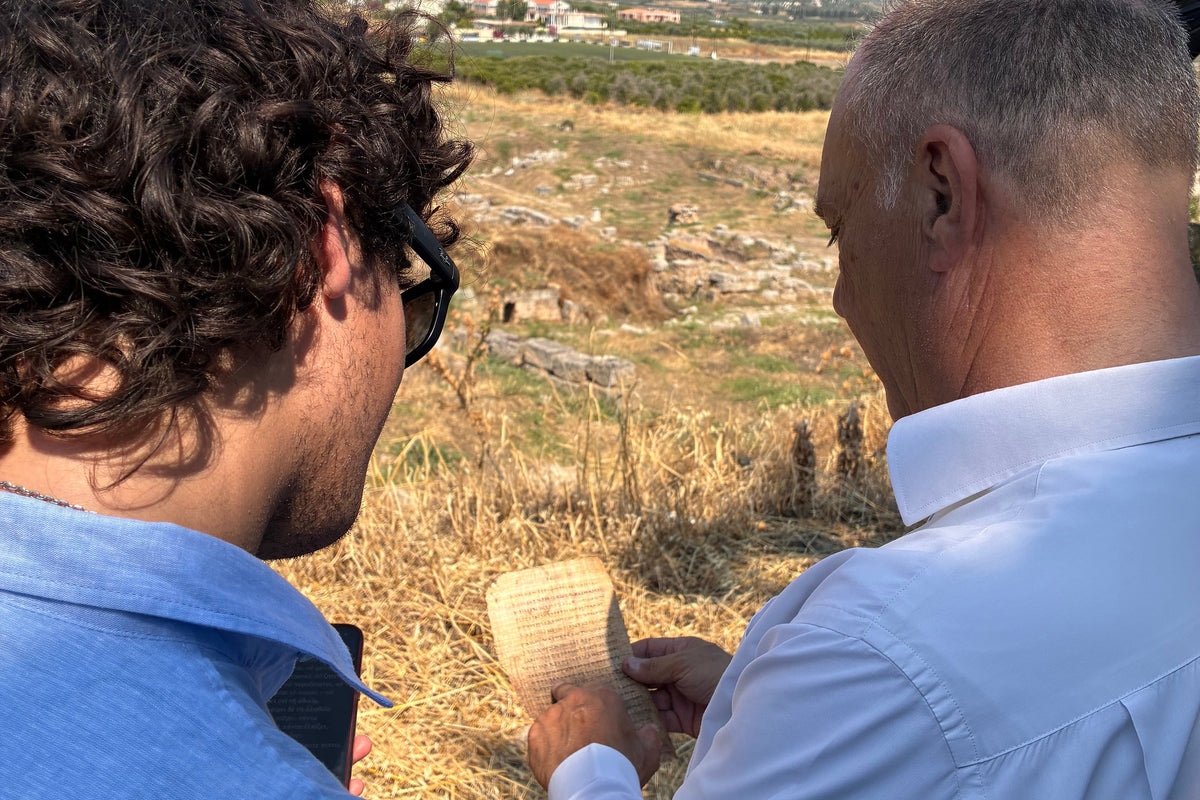
We study the manuscript's script, dating, and place in the wider history of the biblical text, drawing on established scholarship rather than guesswork.
Learn More
This research grounds every reproduction in real scholarship — not assumption. Understanding a manuscript's palaeography, provenance, and textual tradition shapes every decision that follows, from material choice to how the text itself is rendered.
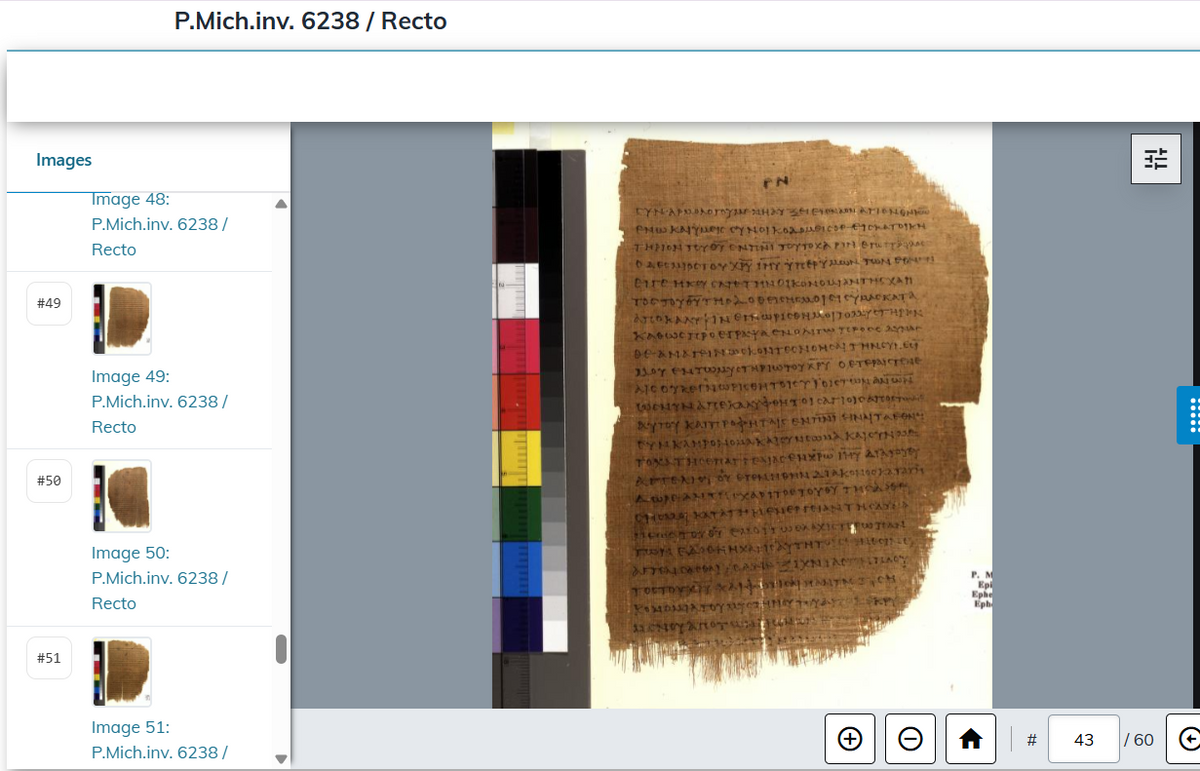
Image Preparation & Restoration
Source images are carefully prepared for reproduction while respecting the appearance of the original manuscript.
Explore This Step
Source images are carefully prepared for reproduction while respecting the appearance of the original manuscript. This means preparing images so they reproduce well, while preserving the visual character of the source — not restoring or reimagining beyond what the manuscript actually shows.
Material Selection
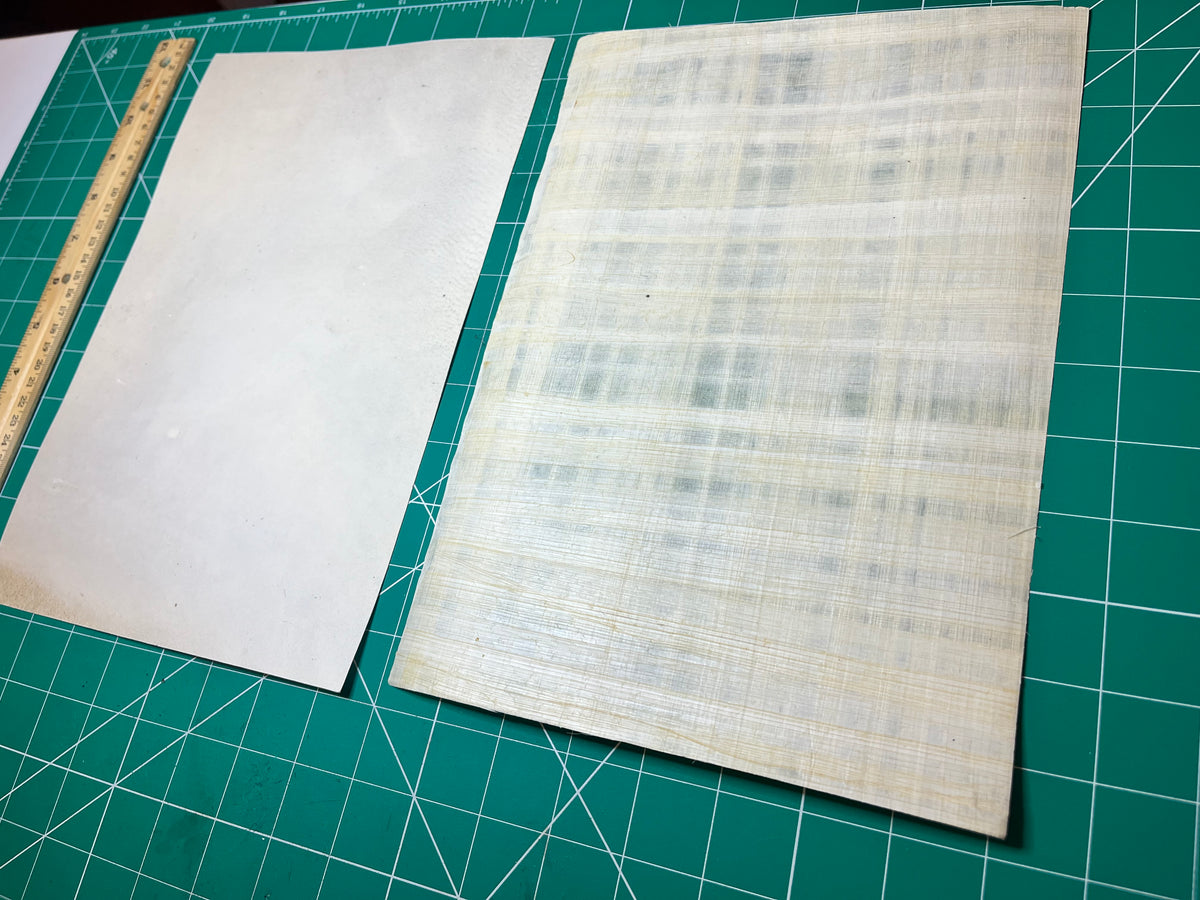
Each manuscript calls for an appropriate display material depending on the original — papyrus or parchment-inspired materials, chosen to suit the piece.
Learn More
Each manuscript calls for an appropriate display material depending on the original — papyrus or parchment-inspired materials, chosen to suit the piece. These are materials inspired by the original medium, not claims of identical ancient material.
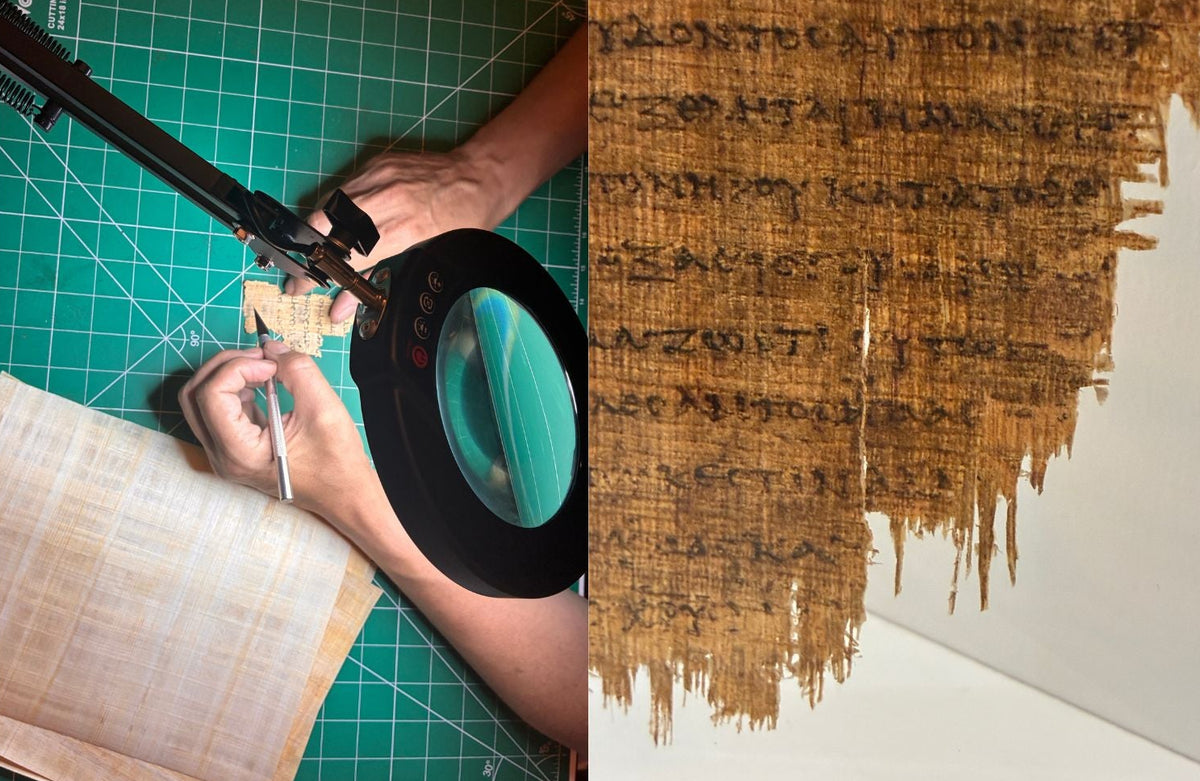
Hand Finishing
Alignment, trimming, and finishing touches are all done by hand to bring each piece to its final form.
Learn More
Alignment, trimming, and finishing are all done by hand, piece by piece, to ensure each replica reflects the same care given to the manuscript it represents.
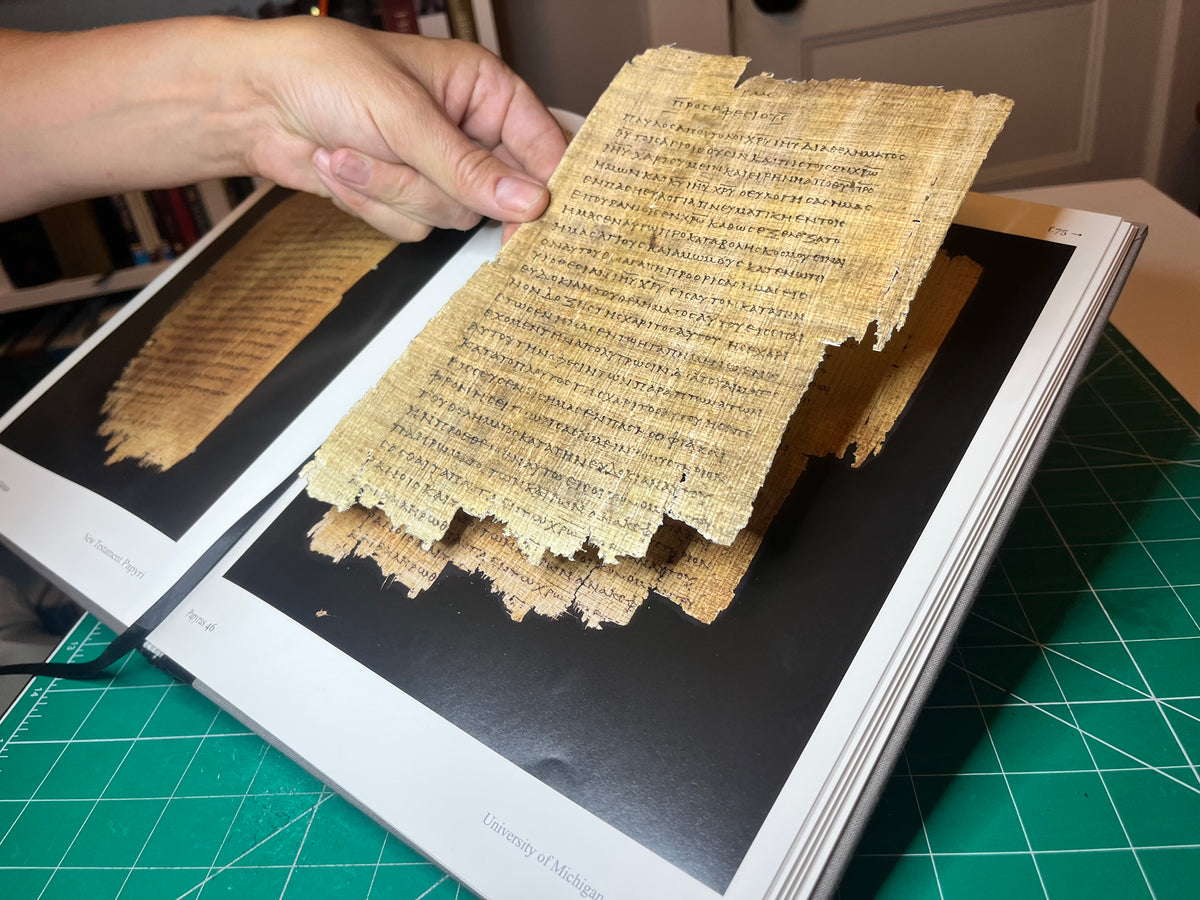
Final Inspection
Before a piece is considered complete, it's checked closely against the source material for accuracy in script, alignment, and finish.
Learn More
Attention to detail continues through the final stages of production — alignment, script, and finishing are checked by hand before any replica is considered complete.
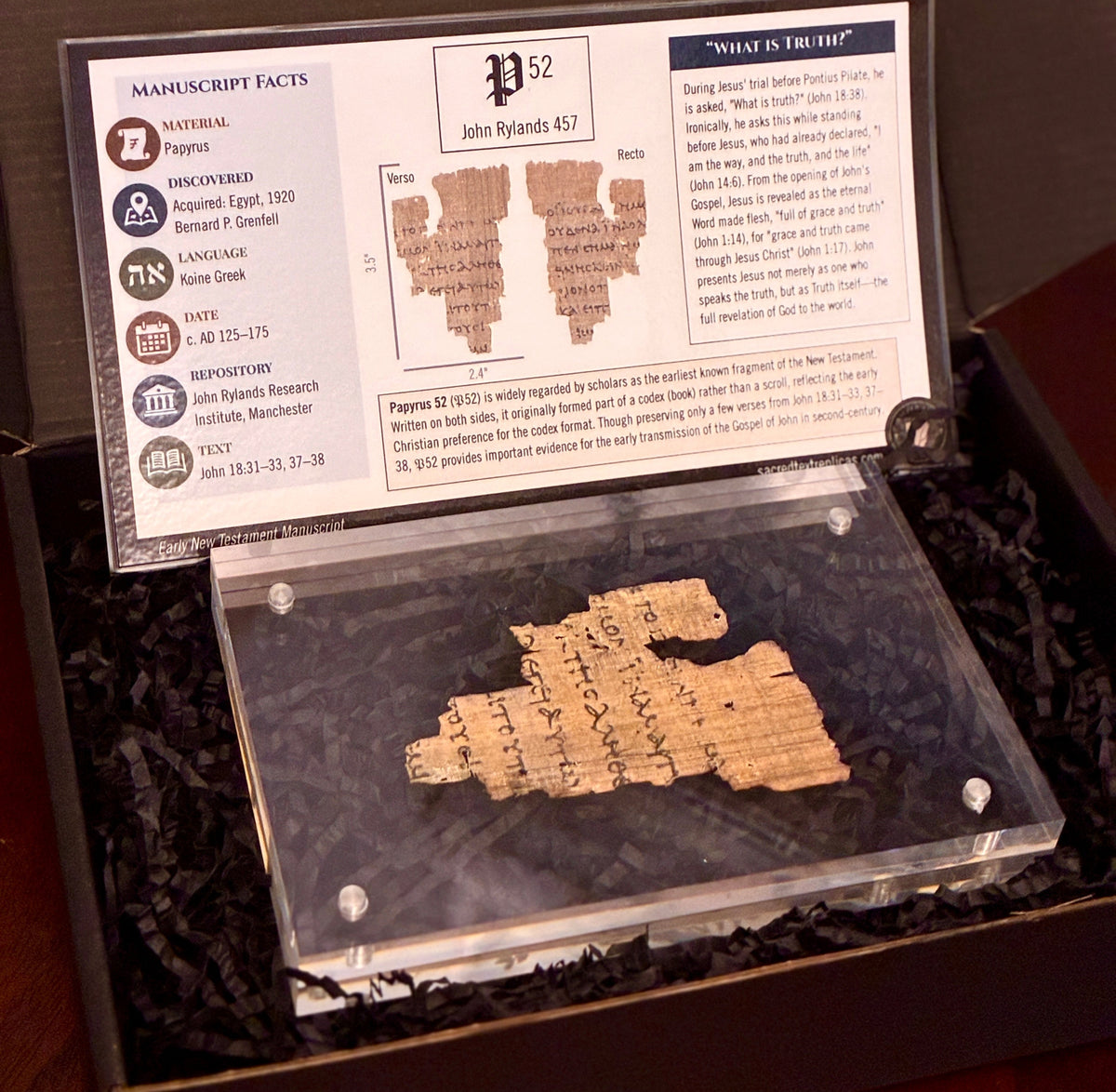
Packaging & Preservation
Finished replicas are paired with a display option suited to the piece and carefully prepared for their journey to a new home.
Explore This Step
Replicas are paired with carefully selected display options — acrylic displays, floating frames, shadow boxes, and other presentation formats — chosen to suit each individual manuscript, then carefully packaged for safe delivery.
Why Authenticity Matters
Faithful reproductions help people appreciate the physical history of Scripture — the material, the handwriting, the wear of centuries — without making any claim of being originals. A careful replica can make that history tangible in a way a photograph or description alone cannot. The goal is not simply decoration but helping people encounter the history of Scripture in a tangible way, in churches, homes, schools, seminaries, classrooms, and libraries.
Behind the Craft
A growing collection of photographs from the workshop — manuscripts, materials, and works in progress. Click any photo to view it larger. (Not in Any Specific Order)
Materials
Reproduced across papyrus and parchment, in scripts spanning Greek, Hebrew, Latin, and Syriac.
Papyrus Collection
Reproductions on papyrus-style material, chosen for manuscripts whose originals were written on papyrus, from early New Testament fragments to Septuagint texts.
Parchment Collection
We're expanding into parchment-style materials to represent manuscripts whose originals were written on parchment or vellum. Details will follow as this collection develops.
Quality Principles
SacredTextReplicas
Historical Care
Every project is grounded in research before any physical work begins.
Attention to Detail
Alignment, script, and finishing are checked by hand at every stage.
Educational Value
Every replica is meant to teach, not just decorate.
Transparent Presentation
We're clear about what each replica is — and isn't.
Respect for Original Sources
The manuscript's own character guides every reproduction choice.
Continuous Improvement
We keep refining our research, materials, and methods over time.
See the Process in Motion
An upcoming look behind the scenes at how each replica comes to life.
Did You Know?
What is the oldest known New Testament fragment?
Papyrus 52, a small fragment of the Gospel of John, is widely dated to the early-to-mid second century AD — making it one of the earliest surviving physical witnesses to any New Testament text.
Where were the Dead Sea Scrolls found?
The Dead Sea Scrolls were discovered beginning in 1947 in caves near Qumran, close to the Dead Sea, and include some of the oldest surviving copies of Hebrew Scripture.
Why do old manuscripts often lack spaces between words?
Many ancient Greek manuscripts were written in scriptio continua — continuous script with no spaces or punctuation — which is part of what makes palaeography and textual study genuinely difficult work.
Experience the Craftsmanship
Every replica is a small act of devotion — an invitation to hold a piece of Scripture's history in your hands. Explore the collection and discover which manuscript speaks to you.